
Mombasa, Kilifi, Kwale, Taita Taveta, Tana River, and Lamu counties have initiated a 10-day activism campaign against the transport and sale of muguka and miraa. Local leaders accuse President William Ruto’s administration of ignoring their grievances regarding the harmful effects of these substances.
The campaign, titled “Say No to Muguka,” began on Wednesday, June 12, aiming to pressure the government to address the concerns of coastal residents. The initiative focuses on educating the public about the adverse effects of muguka and miraa, and encouraging them to voice their opposition to the sale of these substances.
Mombasa County Deputy Governor Francis Thoya criticized the national government for its perceived indifference to the negative impacts of muguka and miraa on coastal communities. Thoya highlighted that President Ruto has met with leaders from Meru and Embu counties, the primary producers of miraa and muguka, while neglecting the coastal counties’ appeals.
“We have realized that the national government has decided to ignore us,” Thoya asserted. “The president has already met with people from Meru and Embu. And yesterday, he met with leaders from Meru where muguka comes from,” he lamented.
The controversy escalated when President Ruto reversed a ban on muguka in Mombasa and Kilifi counties, initially imposed due to concerns over the stimulant’s impact on mental health and its link to increased crime rates. Despite these concerns, President Ruto defended the legality of muguka, stating, “With muguka having been recognized by national legislation, any other laws or orders that contradict national legislation are null and void.”
Coastal leaders, including key figures in President Ruto’s cabinet, have vowed to continue their fight against the sale of muguka in the region. Although President Ruto has yet to meet with coastal leaders in person, he held a conference call with Governors Abdulswamad Nassir (Mombasa), Gideon Mung’aro (Kilifi), and Andrew Mwadime (Taita Taveta) following the ban’s announcement last month.
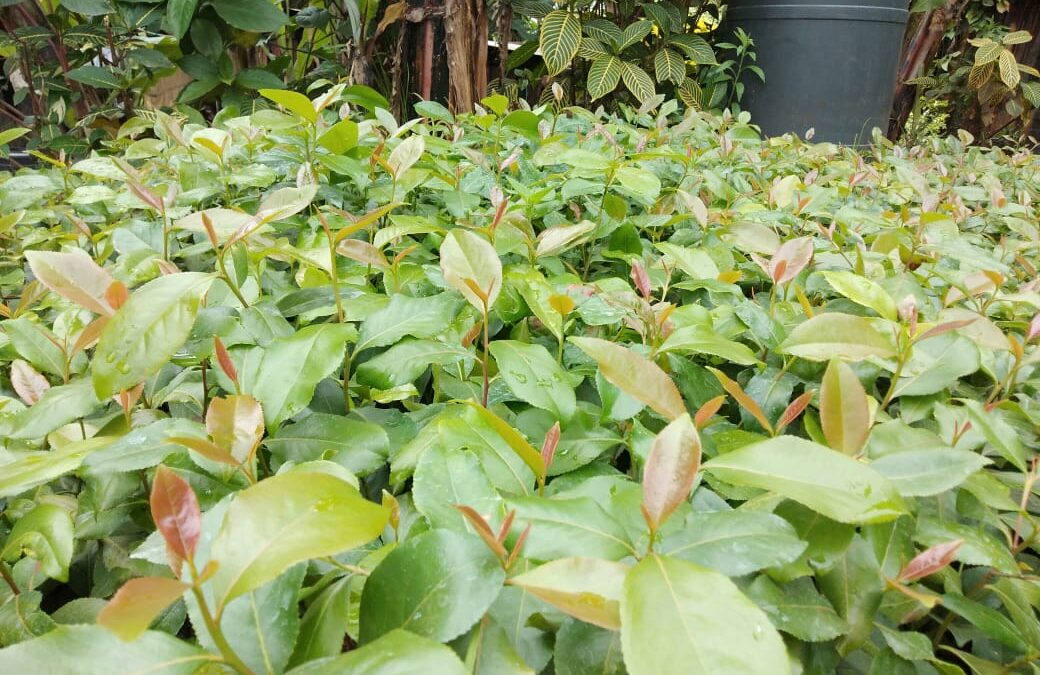
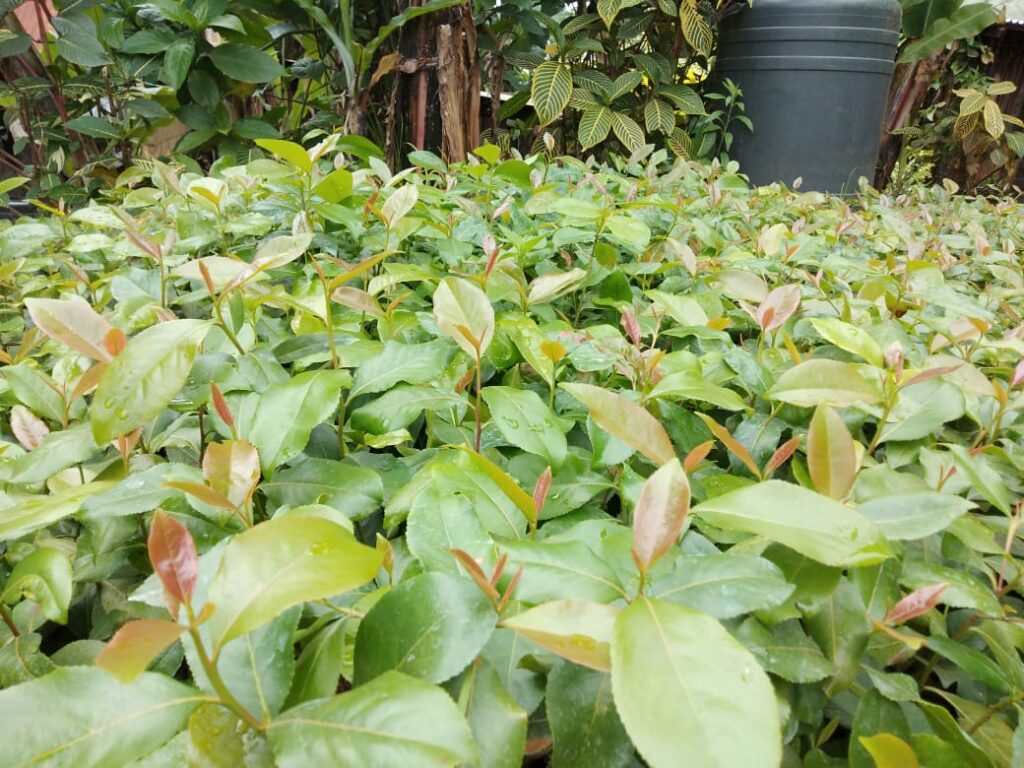
Muguka, a cheaper and more potent variant of khat, has gained significant popularity in Mombasa, Kilifi, Taita Taveta, and Kwale. Its addictive nature has sparked alarm among local leaders, leading to economic impacts such as the loss of over 400 jobs in Mombasa following Governor Nassir’s directive.
Local farmers, however, argue that muguka farming is crucial for their livelihoods, enabling them to educate their children and meet financial obligations. Muguka farmers can earn between Ksh300 and Ksh600 per kilogram, making it a lucrative yet contentious business.
Recent Comments