
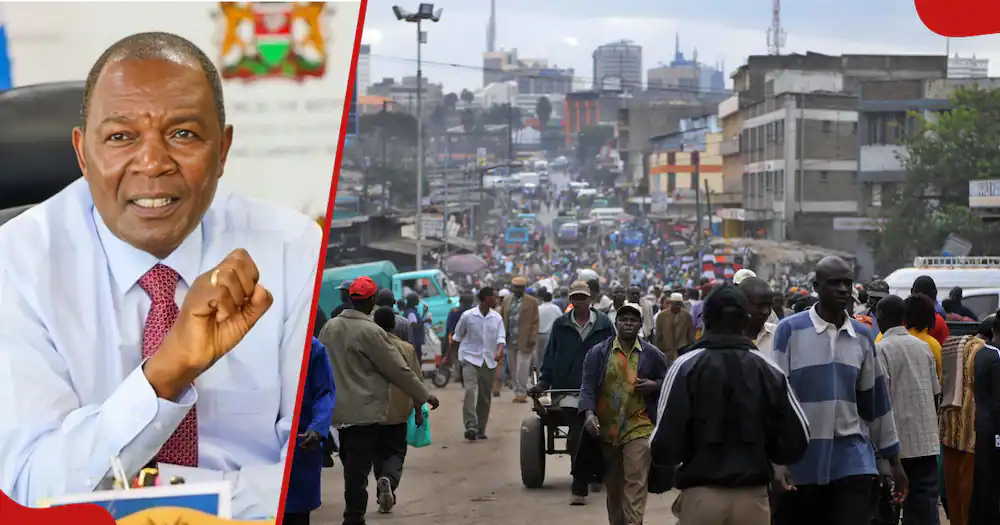
The budget proposals for the 2024/2025 Financial Year, tabled in the National Assembly on Thursday, have elicited mixed reactions from Kenyans. While some have praised certain aspects, others have expressed concern over cuts to key sectors such as health and education.
In the North Rift, residents voiced their displeasure over the reduced funding for the school feeding programme, which they believe will negatively impact education. “Cutting allocation for the feeding programme will severely impact pupil retention and performance, especially in marginalized areas and among children from very humble families,” stated local resident Wanjala. He emphasized that the programme is a crucial support system for many learners who rely on it for their daily meals.
Wanjala also criticized the allocation for Junior Secondary Schools (JSS), arguing that the Sh30.7 billion set aside for over 20,000 schools is insufficient. However, he lauded the government’s commitment to the free secondary education programme, with an allocation of Sh63.9 billion, which he believes will improve enrollment and ensure access to quality education for all students.
In Saboti, farmer Paul Nzamba expressed dissatisfaction with the reduction in agricultural funding from Sh98 billion to Sh97 billion. “The government should adhere to the Maputo Protocol of 2003, which mandates the allocation of 10 percent of the national budget to agriculture,” Nzamba stated.
West Pokot County residents expressed mixed views on the budget estimates. Some residents called for priority to be given to sectors that address insecurity in the North Rift and the employment of JSS staff. “There is a palpable sense of unease due to frequent incidents of banditry and inter-community clashes,” said resident Kiprop Cheruiyot.
In Western Kenya, sugarcane farmers welcomed the allocation of Sh1.5 billion for the maintenance of Cane Testing Units (CTUs) and the payment of salary arrears for workers. “We appreciate the recognition of the sugar industry by the CS in his Budget Policy Statement,” said Kenya National Federation of Sugarcane Farmers Secretary General Simon Wesechere. However, Wesechere noted that the allocation falls short of farmers’ expectations, as the total workers’ arrears stand at Sh5.7 billion.
Former Shinyalu MP Silverse Anami criticized the budget for not adequately addressing the struggles of many Kenyans. “If you are representing people, you must listen to them. People are being taxed heavily, interest rates have gone up at the expense of investors. Hustlers are suffering the most. Our MPs must be realistic,” he said.
Butere Anglican Church Bishop Rose Okeno echoed these sentiments, arguing that taxes on essential food items, including bread, were ill-informed.
In Nyanza, some residents praised the decision by the National Treasury to increase allocations of the Equitable Share of revenue, provided the funds are released promptly. However, a section of teachers expressed doubts about the government’s commitment to improving the education sector. Teacher Shegilah Kelepo voiced concerns about the employment status of JSS teachers, many of whom have been on contracts for years.
Teachers in Nyandarua and Laikipia counties, however, welcomed the government’s allocation of Sh13.4 billion to employ JSS teachers on a permanent basis. “This is great news for the teachers. We will stop the protests,” said Nyandarua KUPPET Executive Secretary Julius Macharia.
In Nyeri, some residents claimed the budget presents a gloomy outlook for Kenyans, predicting increased taxation on basic items. Genesis Njiru suggested that the government should find alternative revenue streams instead of over-taxation. Joseph Mbau, a taxi driver, commented that the budget is unfavorable for business and will gradually undermine the small business economy.
Recent Comments