
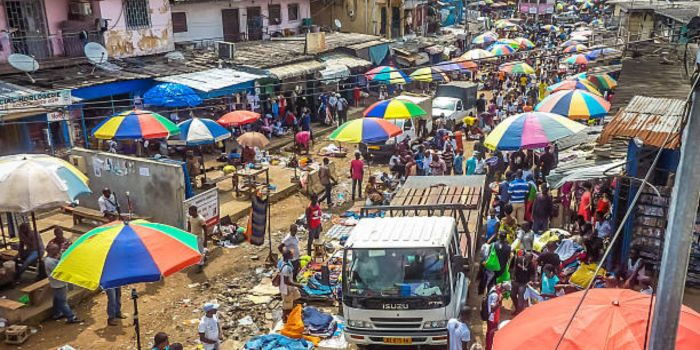
The recent wave of anti-government protests has severely impacted Kenya’s economy, particularly affecting retailers, construction firms, and farmers. Findings from the Stanbic Kenya Purchasing Managers Index (PMI) reveal that these sectors have been hardest-hit by the demonstrations, which have paralyzed business in major towns, marking the steepest decline in private sector sales in seven months.
Initially sparked by youth opposition to the now-abandoned Finance Bill 2024, the protests have evolved into broader anti-government demonstrations. President William Ruto’s rejection of the bill and recommendation to delete all its clauses did little to quell the unrest. The PMI survey, based on feedback from approximately 400 corporate managers across key sectors, indicates that customers have been withholding spending due to uncertainty surrounding the Finance Bill.
Nairobi County has suffered significant financial losses due to the protests, with businesses forced to close for at least five days over the last three weeks. Governor Johnson Sakaja reported that the county lost Ksh70 million each day during the demonstrations, amounting to over Ksh350 million in total losses.
The survey also noted mild increases in input, purchase, and output prices in anticipation of the proposed tax hikes in the Finance Bill 2024. However, a stronger exchange rate and lower fuel prices helped to moderate these cost pressures. June’s PMI fell sharply to 47.2 from 51.8 in May, indicating a severe contraction in private sector activity, including output, new orders, and employment.
The protests, which have been infiltrated by “hired goons,” led to near shutdowns in Kenya’s major cities and urban centers on demonstration days. The dropped tax measures were aimed at raising an additional Ksh346 billion to fund a nearly Ksh4 trillion budget for the upcoming fiscal year.
Ruto had hoped to use the new taxes and spending cuts, targeting non-essential expenditures and reducing allocations for semi-autonomous government agencies, to move towards a balanced budget by 2027. Achieving a balanced budget would involve keeping borrowing at minimal levels, a target that has eluded the country in the past, including during Ruto’s first full financial year in office ending this month.
The plan included reducing the budget deficit from 5.7 per cent of GDP in the current financial year to 3.3 per cent of GDP in the next financial year, partly to comply with an IMF program requiring Kenya to increase taxes and cut expenditures.
Recent Comments