
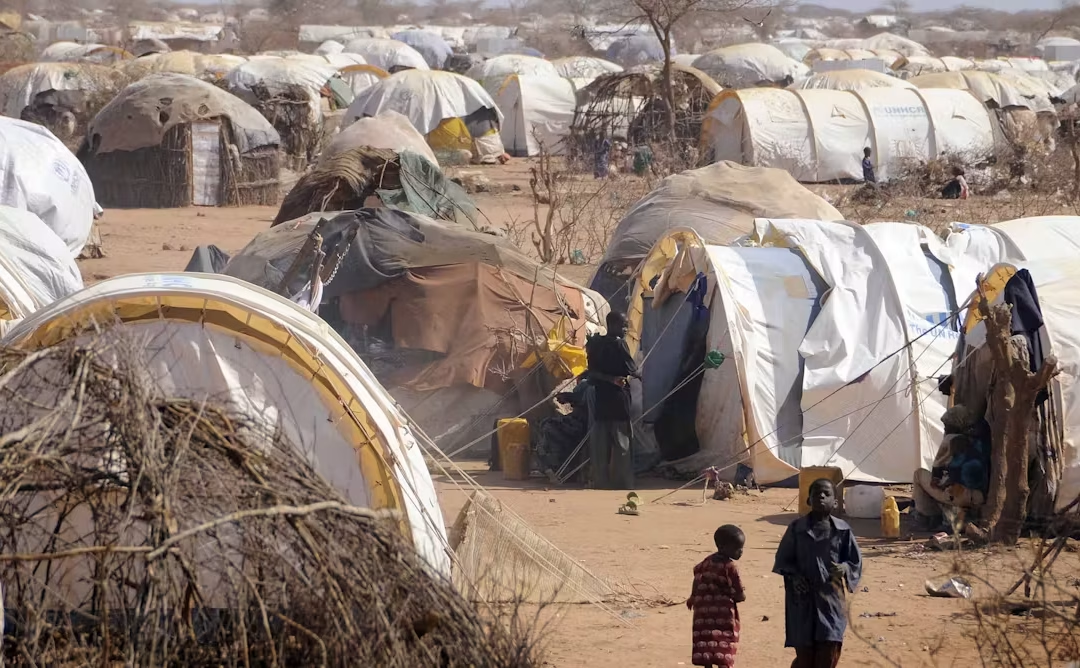
The Kenyan government has initiated the process of integrating over 700,000 refugees from the Kakuma and Dadaab camps with neighboring communities. This significant decision was reached during a meeting with members of the Senate and National Assembly from Turkana and Garissa counties.
The legislators discussed the conceptualization and implementation of the Shirika Plan, a strategic initiative aimed at transforming refugee camps into integrated settlements. The meeting, convened by the Directorate of Refugees, focused on the modalities of the proposed socio-economic integration of refugees living in the two camps.
“We had an insightful Day One of discussions with the National Assembly and the Senate MPs from Turkana and Garissa counties on the conceptualization and implementation of the Shirika Plan,” the Directorate of Refugees noted in a statement. “The retreat convened to discuss the proposed socio-economic integration of over 700,000 refugees in Kakuma and Dadaab camps with host communities.”
This initiative marks the culmination of years of dialogue between the Kenyan government and the United Nations High Commissioner for Refugees (UNHCR). The integration plan aims to promote the socio-economic inclusion of refugees while providing additional support to local Kenyan communities.
Kenya is currently the fifth largest refugee-hosting country in Africa and the thirteenth largest asylum country globally. The Shirika Plan is part of a broader commitment by the Kenyan government to create an environment conducive to the socio-economic inclusion of refugees, fostering opportunities for them and enhancing their integration with host communities.
The government has previously pledged to support the socio-economic inclusion of refugees, highlighting the importance of building opportunities and integrating them into the broader community. This effort is expected to bring significant benefits to both the refugees and the host communities, promoting economic growth and social cohesion.
Recent Comments