
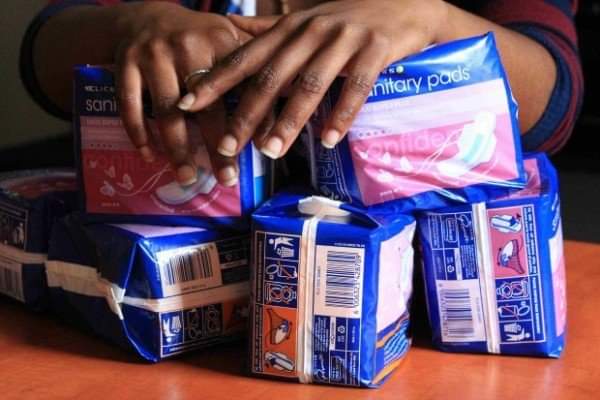
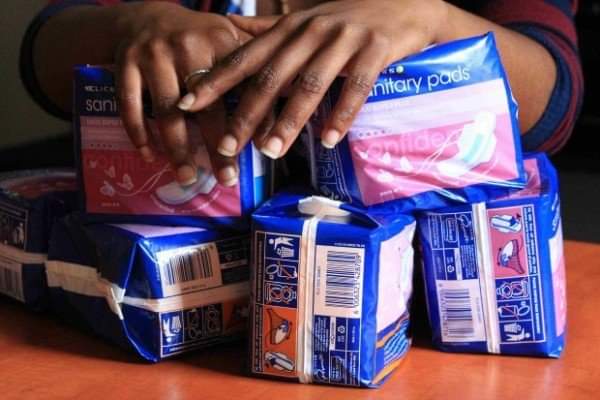
Girls in rural Zimbabwe have reportedly been forced to use cow dung in place of sanitary towels due to inflation of the sanitary towels.According to Africanews during that time of the month, girls are made to use cow dung, newspapers, and pieces of cloth to stop the flow.“Now, I have to use anything I can find, cow dung, leaves, newspapers and clothes, to stop the blood from leaking. I wish my mother was still alive to buy me pads and medication for my menstrual pain,” Constance Dimingo, 19, one of the girls affected by the inflation told the publication. According to a study by the SNV Netherlands Development Organization in Zimbabwe, 72% of girls living in the rural town of Domboshava, 30 km north of the capital Harare, and lack access to commercial sanitary wear. “Sanitary pads are a luxury I cannot afford for my girls,” Constance’s grandmother Vhene Gumedhe shares, explaining how the cow dung process works.“I take the dung, mould it and leave it to dry so that it easily absorbs the blood. The girls do not put the cow pattie directly on the skin. I wrap many clothes over it to avoid itching when placed on the underwear. After that, I demonstrate to them how to cover their private areas to stop the bleeding.Inadequate access to sanitary products and hygienic restrooms causes 67% of girls to miss school during menstruation, according to the Ministry of Women and Youth Affairs. Like Constance did, most disabled girls stop attending school altogether.In addition to causing students to miss school, these practices, according to health experts, serve as a breeding ground for bacteria like salmonella, E. coli, and several others that can infect the reproductive system.The girls complain of itching and burning sensations in the vagina. When examined at the hospitals, we notice yeast infections, urogenital tract infections and early signs of cervical cancer due to insertion in the vaginal tract.” shares Theresa Nkhoma, Community Childcare Worker under the Ministry of Public Service, Labour and Social Welfare.Zimbabwe’s government has taken steps to improve the situation by eliminating taxes on all sanitary products. However, the Zimbabwe National Statistics Agency reports that the inflation rate is currently over 191.6%, which is aggravating the country’s chronic poverty.
Recent Comments